


Sport / Triathlon
Electrolytes For Triathlon
The swim doesn't cost you sodium — the bike and the run do, back to back, with no break to reset. This page covers what a sprint to full-distance day actually costs you in sodium, and which LYTES formats fit a bento box, a special needs bag or a pocket with no bottle in it. Redmond Re-Lyte tubs run $1.00–1.25 a serve and LMNT sticks carry 1000 mg sodium each, both dispatched from Wollongong in 12–48 hours with free metro shipping over $149.
What goes wrong on race day
Legs give out on the run, not the bike
The run leg is where sodium debt from the swim-to-bike transition catches up with you. Heavy legs and slowing pace in the final kilometres are a signal of hours of sodium loss that a start-line bottle never covered.
A wetsuit swim hides how hot you already are
Neoprene traps heat before you've pedalled a metre, so you can exit the water already running warm even though the swim itself barely made you sweat. Riders who skip sodium until T2 are starting the two hardest legs already behind.
Aid-station cups are built for carbs, not sodium
Course drink stations are dosed for fuelling, not sodium replacement — thin on salt and heavy on sugar. Relying on them alone means your electrolyte intake is whatever the race organiser decided, not what your sweat rate needs.
One plan for three sports is asking too much of a single bottle
Swim, bike and run have completely different sweat rates and completely different ways of carrying anything. A single race-morning bottle mix cannot flex across all three, which is why the format matters as much as the dose.
Sweat and sodium across a triathlonFigures for a competitive age-grouper racing Olympic distance (1500 m swim, 40 km bike, 10 km run) in roughly 2.5 hours. The swim leg — around 20–25 minutes of that time, submerged and wetsuit-cooled — contributes negligible sweat loss, so almost all of it is generated on the bike and the run. Pick the conditions to see what that costs and what it takes to replace.
Sweat rate0.9 litres per hour
Sodium in sweat950 mg per litre
Fluid lost over 2.5 hours2.3 litres
3 × 750 ml bidons
Sweat rate and sweat sodium vary widely between triathletes, and running sweats you at a higher rate than cycling at the same effort. Use these as a starting point, not a prescription.
Sodium lost over 2.5 hours
2,138
milligrams
Roughly 2.1 serves of a 1000 mg sodium electrolyte serve, or about 855 mg per hour across the race.
Plain water replaces none of it.
Sweat rate and sweat sodium ranges are typical figures for Olympic-distance triathlon, not a measurement of any individual athlete. The bike/run split is grounded in Speedy DB, Rogers IR, Noakes TD, et al., "Fluid Balance During and After an Ironman Triathlon," Clinical Journal of Sport Medicine (2001), which recorded median fluid losses of 808 mL/hr on the bike and 1,021 mL/hr on the run in Ironman-distance racing — the closest published sweat data broken out by discipline, and the reason our warm-conditions blended rate (0.9 L/hr) sits between those two figures. Sweat sodium concentration (average ~950 mg/L, range roughly 200–2,300 mg/L) is drawn from Precision Fuel & Hydration's sweat-testing data. Sweat rate examples for hot vs cool conditions on the run (0.5 L/hr cool to 1.5–2 L/hr hot) are drawn from USA Triathlon's guide to sweat rate and hydration. For general context, the American College of Sports Medicine's position stand on exercise and fluid replacement puts sodium needs for exercise over an hour at 300–600 mg/hour — our mild-conditions figure (≈420 mg/hr) sits inside that range, and warm/hot conditions push above it, consistent with triathlon's longer combined bike+run exposure. Use this as a starting point, not a prescription — see a sports dietitian for individual advice.
Brand in focus
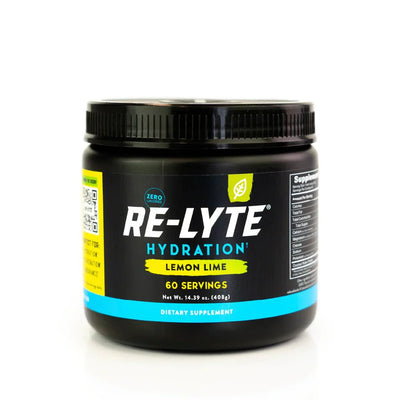
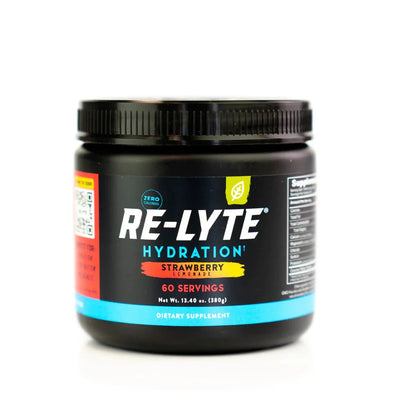
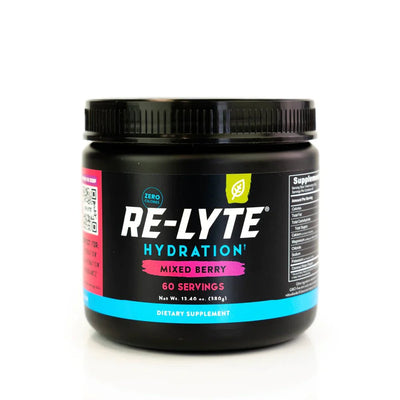
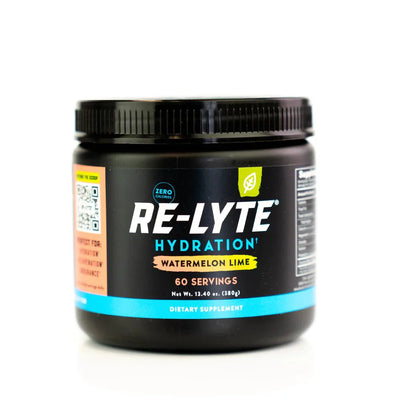
Redmond Re-Lyte
810mg sodium. Real salt from an ancient seabed. Zero sugar. The best-value tub in our range, and the one triathletes reach for to cover training volume between races.
- 810-1000 mg sodium per serve, from Redmond Real Salt
- Zero sugar, naturally sweetened with stevia
- $1.00-$1.25 a serve in the tub - our best-value tub format
- Free metro shipping over $149
- Dispatched same day before 12pm AEST
Brand in focus
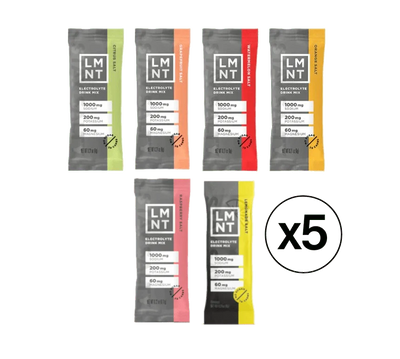
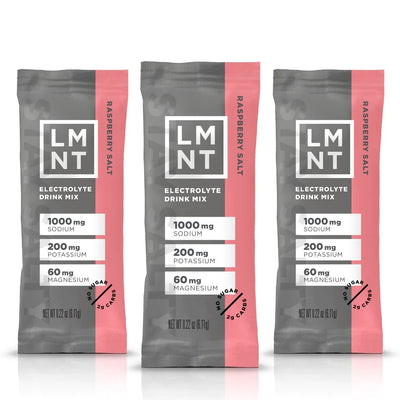
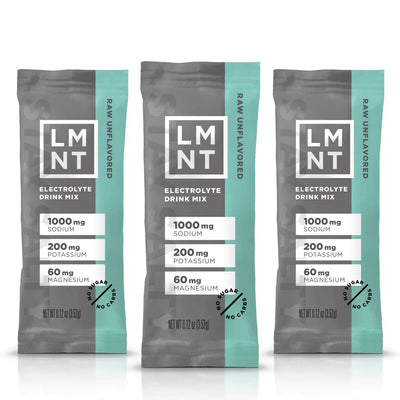
LMNT
Zero sugar. 1000 mg sodium. Built for people who sweat. The higher, more concentrated sodium dose we stock, built for hot race days and the heaviest sweaters.
- 1000 mg sodium per stick
- Zero sugar, fasting friendly
- Free metro shipping over $149

Also stocked for triathlon
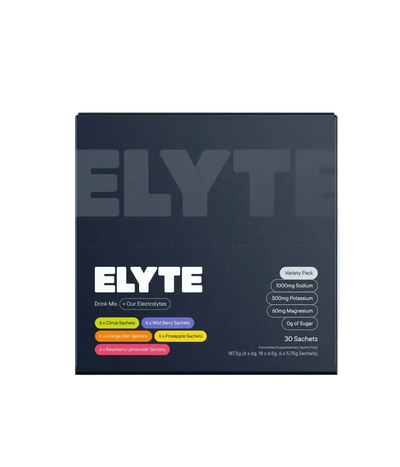
Variety Electrolyte Powder - 30 Sachets
Elyte
$69.90
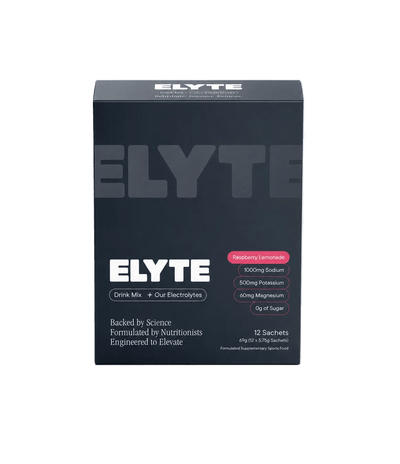
Raspberry Lemonade Electrolyte Powder - 12 Sachets
Elyte
$34.90
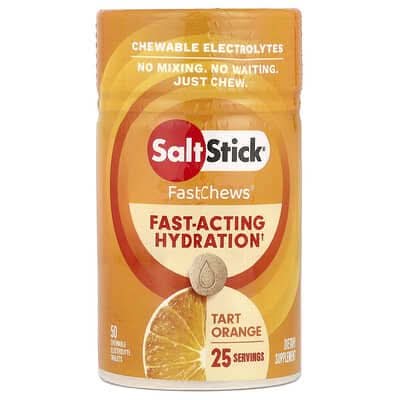
SaltStick FastChews Electrolyte Chews - Tart Orange - 25 Serves - Best Before 01 Jul 2026
SaltStick
$29.95
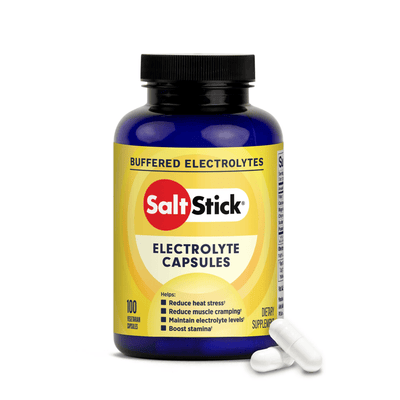
Electrolyte Capsules - Buffered - 100 Capsules
SaltStick
$69.95
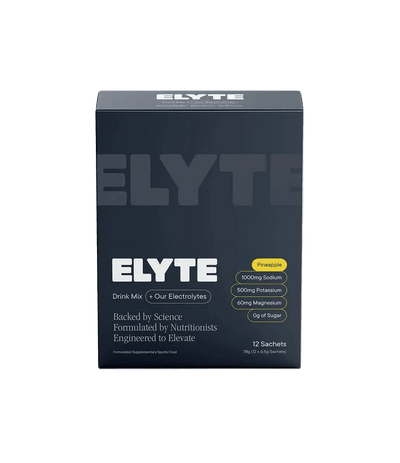
Pineapple Electrolyte Powder - 12 Sachets
Elyte
$34.90
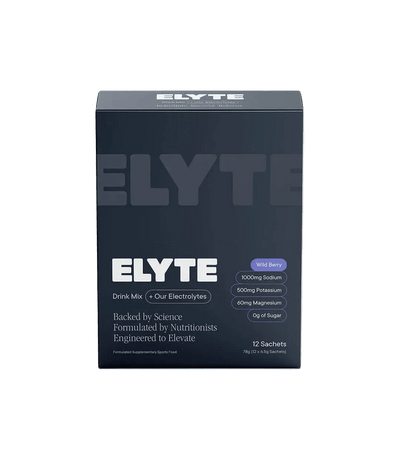
Wildberry Electrolyte Powder - 12 Sachets
Elyte
$34.90
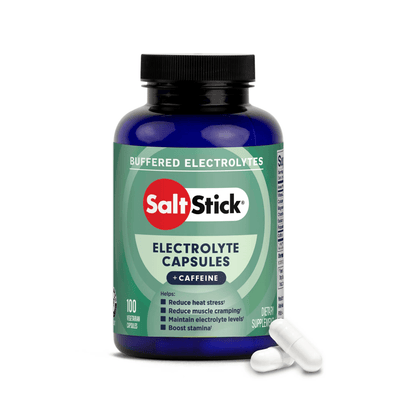
Electrolyte Capsules + Caffeine - 100 Capsules
SaltStick
$79.95
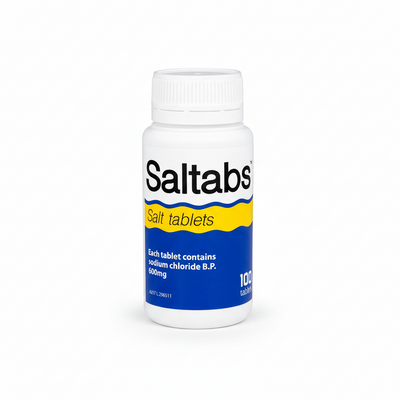
Salt Tablets - 100 Tablets
Saltabs
$11.25
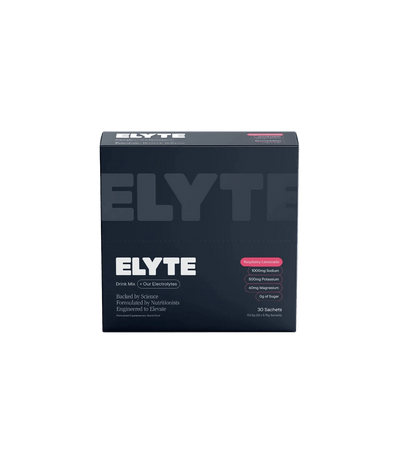
Raspberry Lemonade Electrolyte Powder - 30 Sachets
Elyte
$69.90
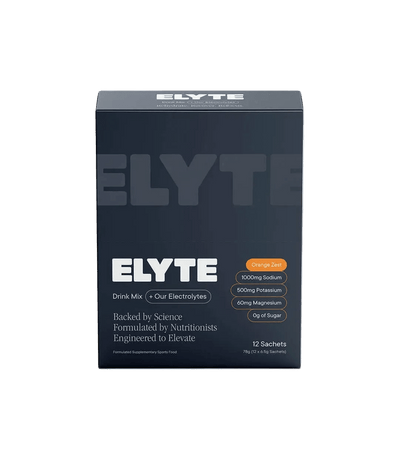
Orange Zest Electrolyte Powder - 12 Sachets
Elyte
$34.90
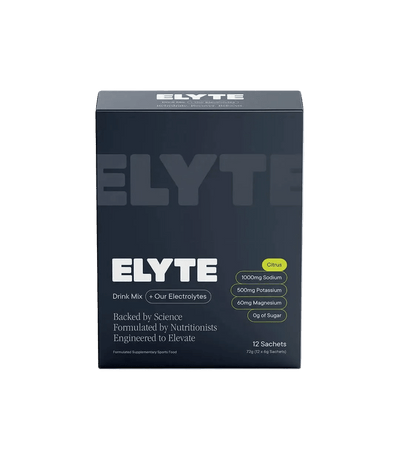
Citrus Electrolyte Powder - 12 Sachets
Elyte
$34.90
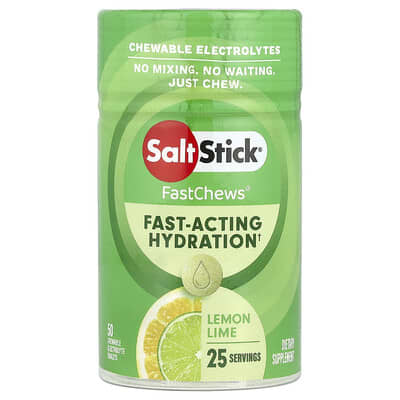
FastChews - Chewable Electrolytes - Lemon Lime - 25 Serves
SaltStick
$39.95
Shop by formatRace day the format matters as much as the formula. Pick what suits your bento box, special needs bag or T2 bucket.
Sticks
One sachet mixes straight into a bike bottle or a bento box refill at special needs. Easiest format to plan by the hour when you already know your bike and run splits.
Best for sprint and Olympic distance, where you're mixing at home the night beforeCapsules
Salt without touching the taste of a race-day drink mix, so you can dose sodium on a schedule while fuelling with gels or course nutrition. Nothing to mix, nothing to spill in a wetsuit-damp T1.
Best for half and full distance, and anyone stacking sodium on top of a separate carb planChews
Take dry, mid-run, with whatever water you grab at the next aid station — no bottle of your own required. Useful on the run leg when your hands are already full or you're not carrying a flask.
Best for the run leg specifically, and racing without a hydration vestTablets
Drop-in effervescent tubes that pack flat into a special needs bag or T2 bucket. Low sugar and easy to plan as a mid-race top-up you set out ahead of time.
Best for special needs bags on half and full distance racingTubs
Best value per serve and scoopable to the dose you want, so training weeks — where you're doing far more total sodium replacement than on race day itself — don't blow the budget.
Best for training blocks and pre-race loading, mixed at homeDon't forget the other half of fuelling
Electrolytes replace what you sweat out. Carbs replace what you burn.
Past about 90 minutes of racing, sodium alone will not stop you fading. Gels and chews top up the carbohydrate your legs are burning on the bike and run, so you can dose salt and fuel separately instead of relying on a single mix to do both jobs.
Shop energy gels & chews
Not sure yet?
Three quick questions,
one recommendation
Answer three questions about how you race and we'll point you at a brand to start with. Prefer the full version? Take the complete quiz.
How salty do you sweat?
What distance are you racing or training for?
How do you like to take it on race day?
Based on your answers, start with
LMNT
our highest sodium dose, best for hot race days and the heaviest sweaters
Shop triathlon electrolytesFree shipping over $149
Shop now
Triathlon and electrolytes, answeredAnswers to what triathletes ask us most. These same answers power the FAQ schema on this page.
Usually not. You're submerged and typically wetsuit-cooled, so the swim itself generates very little sweat compared to the bike and run. Most triathletes save their sodium plan for T1 onward.
Based on the ranges above, a competitive age-grouper is typically losing somewhere between 400 and 1,500 mg of sodium per hour across the two legs combined, scaling with heat and how salty a sweater you are. Start in the middle of that range and adjust based on conditions and how you feel late in the run.
Both work. Mixing into your bottle gets fluid and sodium in together, which is simple to remember. Capsules or chews let you keep your bottle for plain water or carbs and dose sodium on its own schedule — useful if you're already running a carb-heavy fuelling plan on the bike.
Both are zero sugar. Re-Lyte sits at 810 mg sodium (flavoured) to 1000 mg (Unflavoured) per 5 g serve with real Redmond salt, potassium, magnesium and calcium, and its tub is the best-value format for training volume. LMNT is 1000 mg sodium per stick with no sugar — the higher, more concentrated dose, which suits salty sweaters and hot race days. Many triathletes train on Re-Lyte tubs and race with LMNT sticks for the convenience.
Yes — mainly on duration. A sprint or Olympic day may only need sodium from T1 onward, similar to the ranges above. A half or full distance day extends that same per-hour rate over many more hours, which is why format matters more at longer distance: you need something you can carry and dose without a support crew.
We dispatch from Wollongong within 12 to 48 hours, and free metro shipping kicks in over $149. Unopened, unused items in their original packaging can be returned within 30 days.



Not sure which brand suits you?
Take our quiz and we will match you to a brand and format based on how you ride, or start with a taster pack and try a few before committing to a full size.