


Sport / Hyrox
Electrolytes For Hyrox
A Hyrox race packs 8km of running around eight functional stations into 60 to 90 minutes for a competitive age-group athlete, and that stop-start intensity costs more sodium than steady running alone. LYTES stocks Redmond Re-Lyte's tub, the best value format in the range at $1.00–1.25 AUD a serve, and Sodii, made in Australia with Australian salt, from $29.95 AUD for a 165g tub. Free metro shipping applies over $149 AUD, and every order dispatches from Wollongong in 12-48 hours.
What goes wrong on race day
Wall Balls in round eight
Wall Balls sit last in the Hyrox format, after 60-plus minutes of running and seven stations of accumulated sodium loss. Cramping late in a race like this is a signal of high sweat sodium loss stacking up, not a sign you didn't train hard enough.
Grip failing before your legs do
Farmers Carry and the Sled Pull ask for a grip that has to hold on through fatigue, and sodium and fluid balance support that kind of sustained neuromuscular output. Athletes who under-replace sodium early in the race often feel it hit the hands and forearms first.
A sports drink built for one half of the race
Most sports drinks are built around carbohydrate, with sodium added almost as an afterthought — useful across the running kilometres, less useful across the strength stations in between. Separating fuel from electrolytes lets you dose sodium on its own terms across both halves of the race.
An indoor race that runs hot anyway
Hyrox is run indoors, but an expo hall packed with competitors, floodlighting and eight stations of machinery generates real heat once the venue fills up. Racers who assume "indoor" means "cool" often under-replace sodium for the conditions they actually get on the day.
Sweat and sodium across 8km of running and eight stationsTypical ranges for a competitive age-group Hyrox athlete across a full race — the running legs and the functional stations combined. Pick the pacing and venue conditions to see what a session like this costs you, and what it takes to replace it.
Sweat rate1.4 litres per hour
Sodium in sweat1,050 mg per litre
Fluid lost over 1.25 hours1.75 litres
3 × 750 ml bottles
Sweat rate and sweat sodium concentration vary widely between athletes and rise with effort and venue crowding more than with time on the clock — a hard race in a packed, poorly ventilated venue can cost more sodium than an easy training session twice as long. Use these figures as a starting point, not a prescription.
Sodium lost in the race
1,838
milligrams
Roughly 1.8 serves of a 1000 mg sodium electrolyte serve, or about 1,470 mg per hour across the race.
Plain water replaces none of it.
No peer-reviewed sweat-patch study of Hyrox racers specifically has been published yet — it's a newer sport, so this page blends two well-studied proxies for each half of the race instead of inventing sport-specific numbers: distance-running sweat rate and sweat sodium data from a 2016 Journal of the International Society of Sports Nutrition study of 157 marathon runners — Lara et al. (mean sweat rate 0.9±0.3 L/h, mean sweat sodium 42.9±18.7 mmol/L, roughly 990 mg/L, ranging 160–2,200 mg/L across individuals) — and high-intensity functional-training sweat rate data from a 2016 International Journal of Exercise Science study of 50 well-trained CrossFit athletes — Cronin et al. (mean sweat rate 1.663±0.478 L/h in men, 0.886±0.274 L/h in women across 30–47 minute sessions). Because sweat sodium concentration rises with exercise intensity in trained athletes — a 2026 Physiological Reports study, Harris et al., "Comparison of pilocarpine- versus exercise-induced sweat sodium concentration across exercise intensities in trained athletes", reported 44.5, 54.9 and 61.3 mmol/L (roughly 1,020, 1,260 and 1,410 mg/L) as sweat rate rose from 0.62 to 1.92 L/h with intensity — the race-pace and hot/max-effort presets above sit toward the upper half of the running-only range to reflect the added intensity of the stations. Hourly sodium replacement guidance falls back on the American College of Sports Medicine's position stand on exercise and fluid replacement (300–600 mg sodium per hour for exercise lasting over an hour). Use this as a starting point, not a prescription — see a sports dietitian for individual advice.
Brand in focus
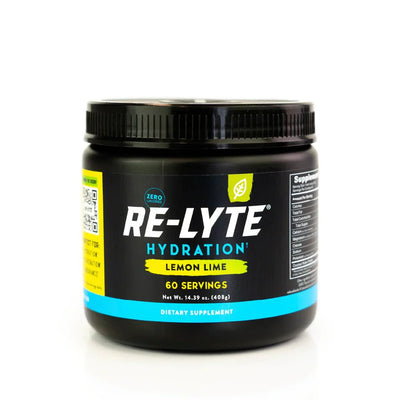
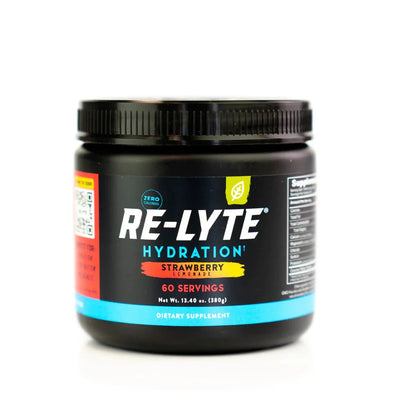
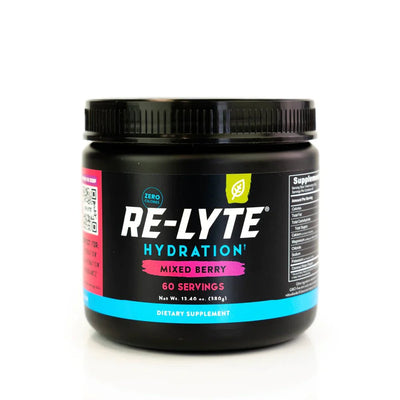
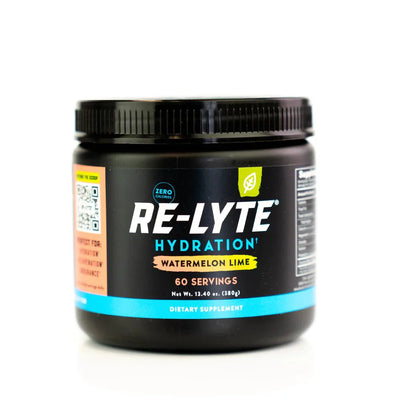
Redmond Re-Lyte
810mg sodium. Real salt from an ancient seabed. Zero sugar. The best-value tub in our range, and the one to reach for across a training block that stacks running, strength and rowing most weeks.
- 810-1000 mg sodium per serve, from Redmond Real Salt
- Zero sugar, naturally sweetened with stevia
- $1.00-$1.25 a serve in the tub - our best-value tub format
- Free metro shipping over $149
- Dispatched same day before 12pm AEST
Brand in focus
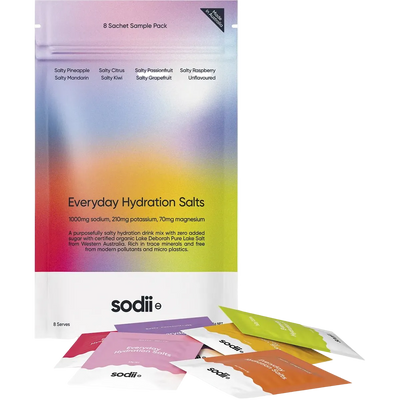
Sodii
1000mg sodium. Australian salt. Zero sugar. Made in Australia with Australian salt, carrying a full 1000 mg sodium serve for race day and back-to-back training sessions.
- 1000mg sodium per serve - matches LMNT, the highest we stock
- Made in Australia with Australian salt
- Zero sugar, naturally sweetened with stevia
- Free metro shipping over $149
- Dispatched same day before 12pm AEST
Also stocked for Hyrox

LMNT Citrus Salt Hydration Mix - 30 Sticks
LMNT
$64.95
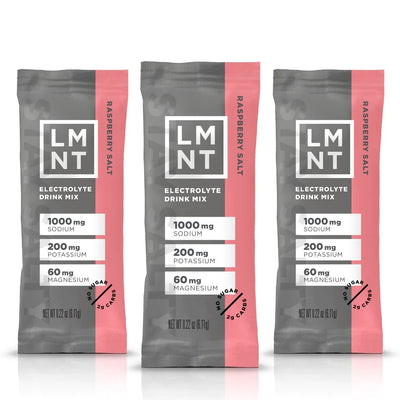
LMNT Raspberry Salt Electrolyte Mix - 30 Sticks
LMNT
$64.95
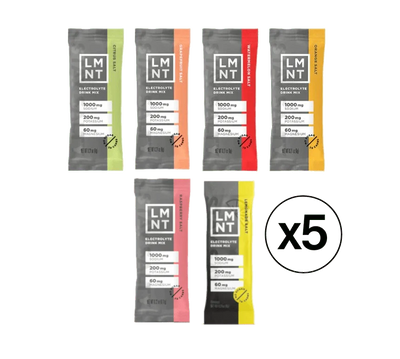
LMNT Big Fruity Pack - 30 Sticks
LMNT
$69.95
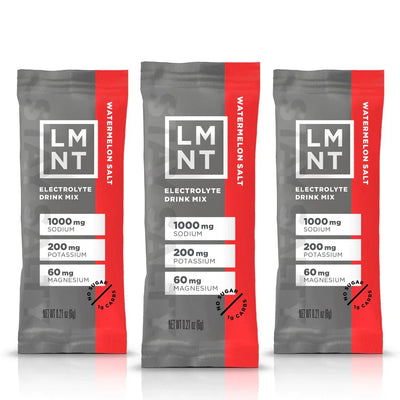
LMNT Watermelon Salt Electrolyte Mix - 30 Sticks
LMNT
$64.95
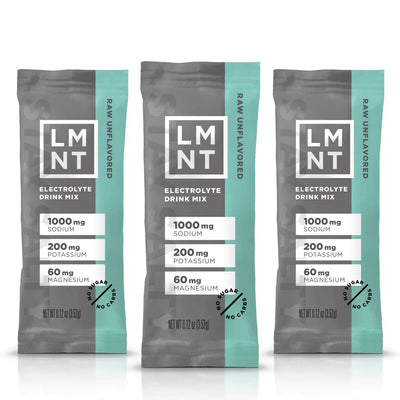
LMNT Raw Unflavoured Electrolyte Mix - 30 Sticks
LMNT
$64.95
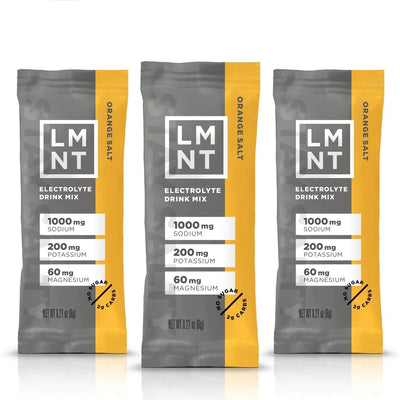
LMNT Orange Salt Electrolyte Mix - 30 Sticks
LMNT
$64.95
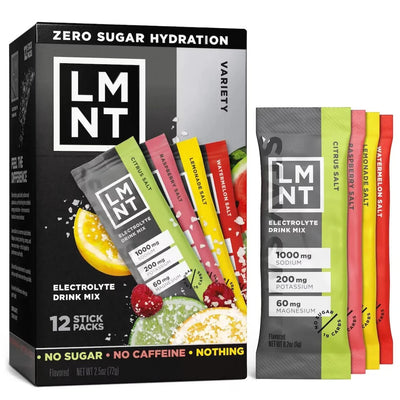
LMNT Variety Pack - 12 Sticks
LMNT
$28.95
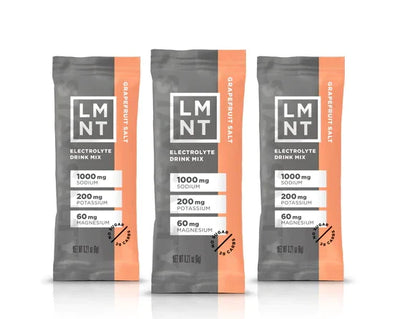
LMNT Grapefruit Salt Electrolyte Mix - 30 Sticks
LMNT
$64.95
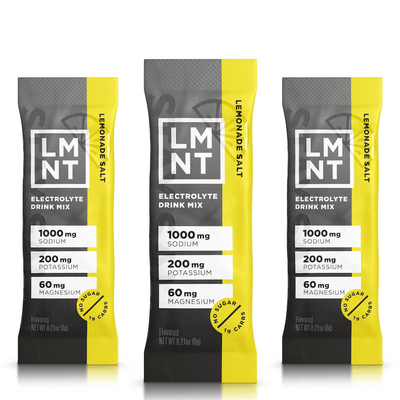
LMNT Lemonade Salt Electrolyte Mix - 30 Sticks
LMNT
$64.95
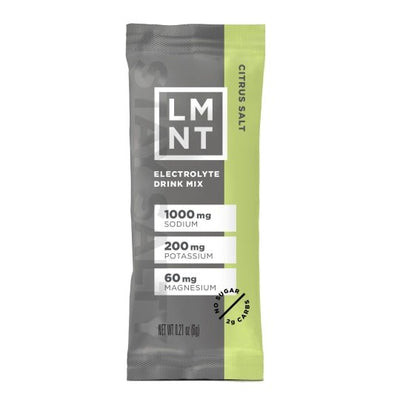
LMNT Single Stick
LMNT
$3.35
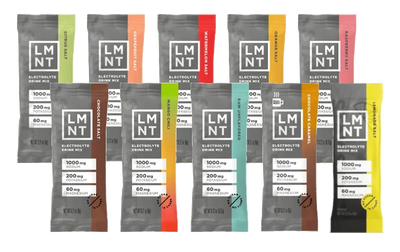
LMNT Taster Pack - 10 Sticks
LMNT
$32.95
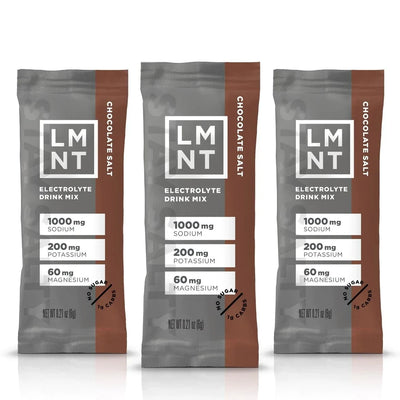
LMNT Chocolate Salt Electrolyte Mix - 30 Sticks
LMNT
$64.95
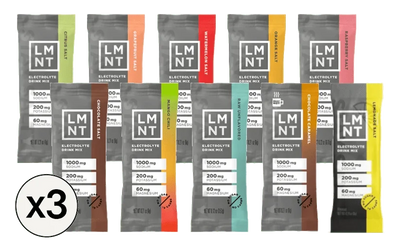
LMNT Big Variety Pack - 30 Sticks
LMNT
$69.95
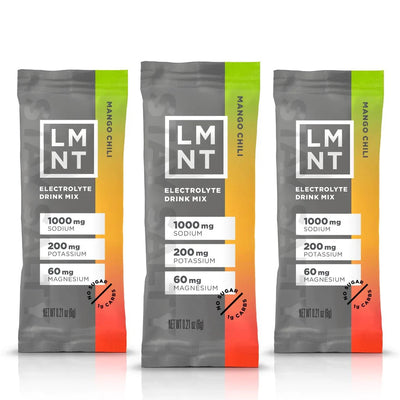
LMNT Mango Chilli Electrolyte Mix - 30 Sticks
LMNT
$64.95
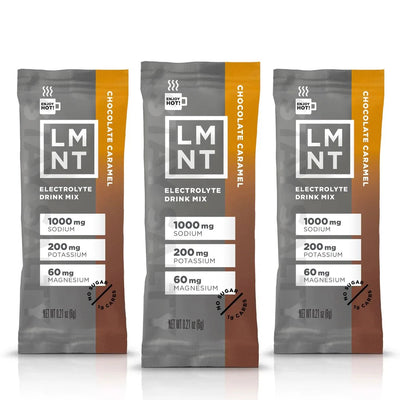
LMNT Chocolate Caramel Electrolyte Mix - 30 Sticks
LMNT
$64.95
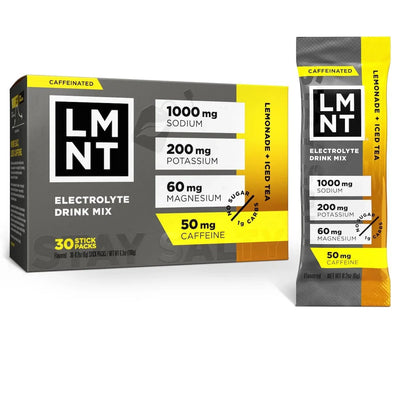
Lemonade + Iced Tea - 30 Sticks
LMNT
$64.95
Shop by formatOn race day the format matters as much as the formula. Pick what suits your comp-day bag and your training week.
Sticks
One sachet mixed into your bottle before you check in at the Roxzone. No scoop, no mess, easy to pack in a comp-day bag alongside wrist wraps and spare shoes.
Best for race-day check-in and travelling to the venueCapsules
Swallow between your warm-up and the start line without touching the taste of the water Hyrox provides on course. Dose by the hour if you're training a double session in the same day.
Best for race day, or back-to-back training sessions in one dayTablets
Drop one in your bottle for the drive home, or for the second session of a double training day. Effervescent, low sugar and light on a stomach that just finished Sled Push and Burpee Broad Jumps.
Best for post-race or post-session recoveryChews
Chewable salt you can take with chalked-up hands between warm-up and check-in, no bottle required.
Best for mid-warm-up dosing or between heats at a competitionTubs
Best value per serve and scoopable to the dose you want — mix bottles at home across a training block that stacks running, strength and rowing sessions most weeks.
Best for high-volume training blocks in the run-up to race dayDon't forget the other half of fuelling
Electrolytes replace what you sweat out. Carbs replace what you burn.
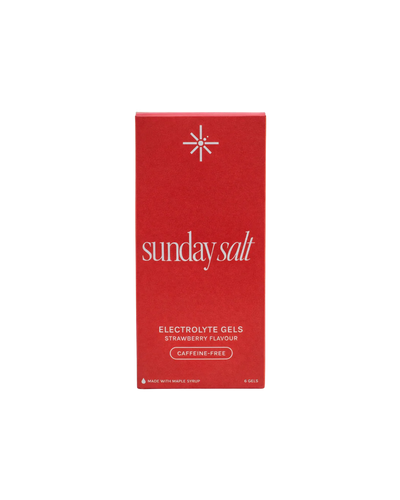
Past about 90 minutes of hard training, sodium alone will not stop you fading. Gels and chews top up the carbohydrate your legs and lungs are burning, so you can dose salt and fuel separately instead of relying on a single mix to do both jobs.
Shop energy gels & chews
Not sure yet?
Three quick questions,
one recommendation
Answer three questions about how you train and race and we'll point you at a brand to start with. Prefer the full version? Take the complete quiz.
How salty do you sweat?
How many sessions do you train a week?
How do you like to take it?
Based on your answers, start with
Sodii
a full 1000 mg sodium serve made with Australian salt, built for racing hard and training most days
Shop Hyrox electrolytesFree shipping over $149
Shop now
Hyrox and electrolytes, answeredAnswers to what Hyrox athletes ask us most. These same answers power the FAQ schema on this page.
Most competitive age-group athletes finish in 60 to 90 minutes, and the general guidance for exercise over an hour is 300–600 mg of sodium per hour, scaling toward the higher end for a hot, packed venue or a harder pacing strategy. Combined running and station effort tends to put Hyrox toward the top of that range rather than the bottom — see the calculator above for a session-specific estimate.
Hyrox events typically provide water at stations through the Roxzone, but plain water doesn't carry the sodium you're losing across 8km of running and eight stations. The highest-leverage move is dosing sodium before you start and immediately after you finish, when you control exactly what you're taking in.
Yes. Indoor doesn't mean cool once an expo hall fills with competitors and eight stations of machinery running for hours — sweat rate is driven far more by effort and venue crowding than by whether you can see the sun.
Both are zero sugar and both replace real sodium. Redmond Re-Lyte carries 810 mg sodium (flavoured) to 1000 mg (Unflavoured) per 5g serve, made with real salt from an ancient seabed, and its tub is the best value per serve for athletes training most days in the run-up to a race. Sodii carries 1000 mg sodium per serve, made in Australia with Australian salt — a straightforward everyday option for training volume. Many Hyrox athletes keep a tub of one at home for training and single-serve sachets of either in the gym bag for race day.
Training for Hyrox usually stacks running and functional-strength sessions across the same week, sometimes the same day. Replacing sodium after each session rather than only around the race itself keeps one week's sodium deficit from carrying into the next.
We dispatch from Wollongong within 12 to 48 hours, and unopened, unused items in original packaging can be returned within 30 days.


Not sure which brand suits you?
Take our quiz and we will match you to a brand and format based on how you ride, or start with a taster pack and try a few before committing to a full size.