


Sport / Rugby league
Electrolytes For Rugby League
A rugby league match is 80 minutes of collisions, repeat sprints and wrestles, and professional players in one study lost an average of 2.0 litres of fluid per match. LYTES stocks Sodii, made in Australia with Australian salt at 1000 mg sodium a serve, from $59.90 AUD for a 30-serve tub, and Redmond Re-Lyte, whose tub is the best value in the range at $1.00–1.25 AUD a serve. Free metro shipping applies over $149 AUD, and every order dispatches from Wollongong in 12–48 hours.
What goes wrong over 80 minutes
The last 20 minutes
Rugby league games are often decided late, after an hour of hit-ups, tackles and repeat sprints. Cramping in the back end of a match is a signal of high sweat sodium loss stacking up, not proof you are short on fitness.
Big bodies, big sweat bill
A 100 kg forward makes more heat on every carry and every tackle than a smaller athlete, and sweat volume tends to climb with it. Replacing sodium by the same rule of thumb as a lighter teammate usually leaves a big sweater short.
Pre-season in the heat
Pre-season in Queensland and NSW runs through summer, often with double sessions in heat and humidity. Sweat rate rises with both temperature and intensity, so a February field session costs far more sodium than a winter training night.
Water from the trainer, salt from nowhere
On game day most of what you drink comes from the trainer's bottles at stoppages, and plain water replaces fluid but none of the roughly 1,000–1,100 mg of sodium in each litre of rugby players' sweat. Dosing sodium before kick-off and at the break is where you control what goes in.
Sweat and sodium across a 90-minute sessionTypical ranges for a senior rugby league player across a main training session, or an 80-minute match plus warm-up. Pick the conditions to see what a session like this costs you, and what it takes to replace it.
Sweat rate1.5 litres per hour
Sodium in sweat1,100 mg per litre
Fluid lost over 1.5 hours2.3 litres
3 × 750 ml bottles
Sweat rate and sweat sodium vary widely between players — one professional study found the same player's match fluid loss varied by around a third from game to game — and bigger forwards and hot, humid sessions sit at the top of these ranges. Use these figures as a starting point, not a prescription.
Sodium lost in the session
2,475
milligrams
Roughly 2.5 serves of a 1000 mg sodium electrolyte serve, or about 1,650 mg per hour across the session.
Plain water replaces none of it.
Rugby league has a small body of published sweat research, used directly here. Sweat rate: a 2010 Applied Physiology, Nutrition, and Metabolism study of 14 Super League players across the 2008 season — O'Hara et al. — measured fluid loss of 2.0±0.7 L per match (about 1.5 L/h over 80 minutes, the match-day preset). The hot, humid preset (2.0 L/h) sits at the upper end of that range, because sweat rate climbs with heat and intensity: a 2021 Nutrients study of elite soccer players — Rollo et al. — measured 0.98 L/h in cool conditions versus 1.43 L/h at 29°C for the same high-intensity session. The cool preset (1.2 L/h) reflects the 1.54±0.48 kg match sweat loss of international female rugby league players in a 2016 Journal of Strength and Conditioning Research study — Jones et al. — which also measured sweat sodium of 47.8±5.7 mmol/L in match-play (roughly 1,100 mg/L); a 2017 Journal of the International Society of Sports Nutrition analysis of 181 professional rugby players — Ranchordas et al. — reported 44.0±12.1 mmol/L (roughly 1,010 mg/L). No NRL-specific sweat-patch study in Australian conditions was found, so the hot preset is an estimate within these ranges rather than a measured NRL figure. Hourly sodium replacement guidance falls back on the American College of Sports Medicine's position stand on exercise and fluid replacement (300–600 mg sodium per hour for exercise lasting over an hour). Use this as a starting point, not a prescription — see a sports dietitian for individual advice.
Brand in focus
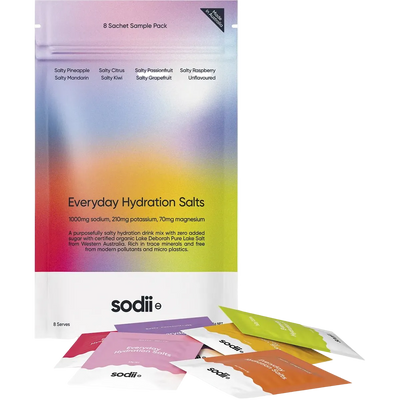
Sodii
1000mg sodium. Australian salt. Zero sugar. Made in Australia with Australian salt, with a full 1000 mg sodium serve for big sweaters, match day and hot pre-season sessions.
- 1000mg sodium per serve - matches LMNT, the highest we stock
- Made in Australia with Australian salt
- Zero sugar, naturally sweetened with stevia
- Free metro shipping over $149
- Dispatched same day before 12pm AEST
Brand in focus
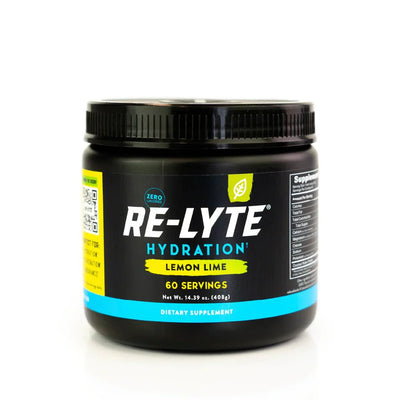
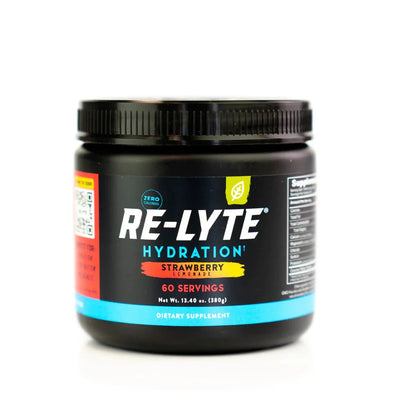
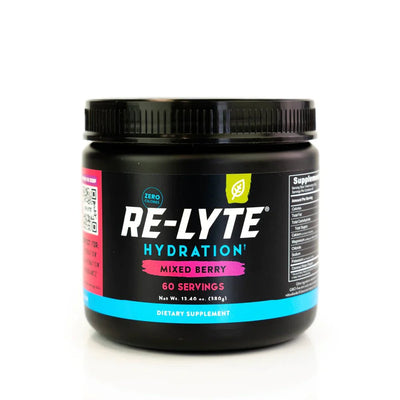
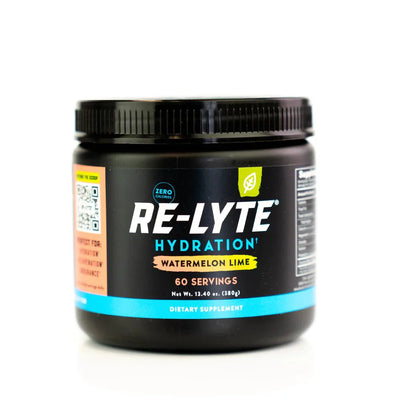
Redmond Re-Lyte
810mg sodium. Real salt from an ancient seabed. Zero sugar. The best-value tub in our range, and the one to keep in the sheds across a full season of training nights.
- 810-1000 mg sodium per serve, from Redmond Real Salt
- Zero sugar, naturally sweetened with stevia
- $1.00-$1.25 a serve in the tub - our best-value tub format
- Free metro shipping over $149
- Dispatched same day before 12pm AEST
Also stocked for rugby league

LMNT Citrus Salt Hydration Mix - 30 Sticks
LMNT
$64.95
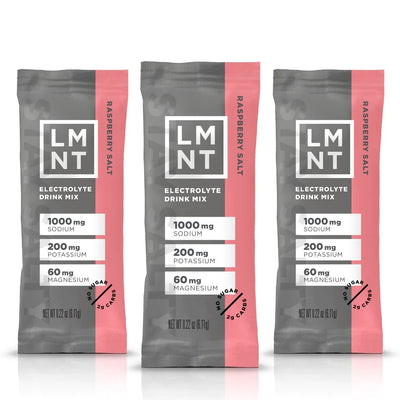
LMNT Raspberry Salt Electrolyte Mix - 30 Sticks
LMNT
$64.95
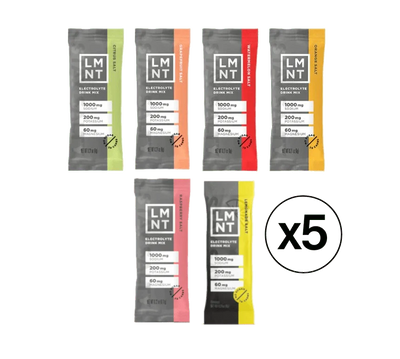
LMNT Big Fruity Pack - 30 Sticks
LMNT
$69.95
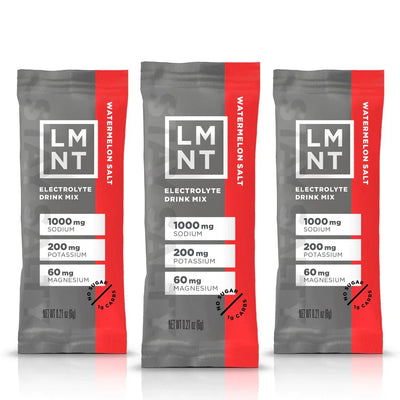
LMNT Watermelon Salt Electrolyte Mix - 30 Sticks
LMNT
$64.95
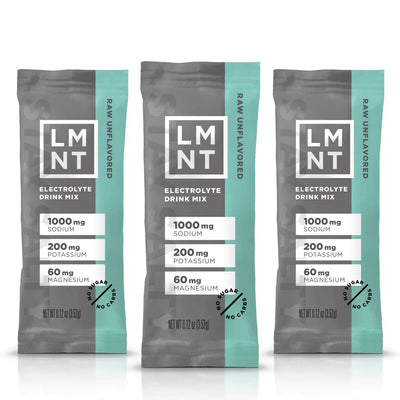
LMNT Raw Unflavoured Electrolyte Mix - 30 Sticks
LMNT
$64.95
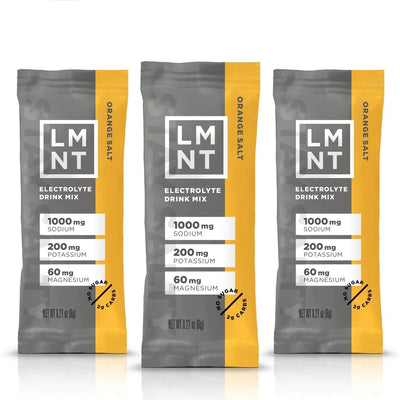
LMNT Orange Salt Electrolyte Mix - 30 Sticks
LMNT
$64.95
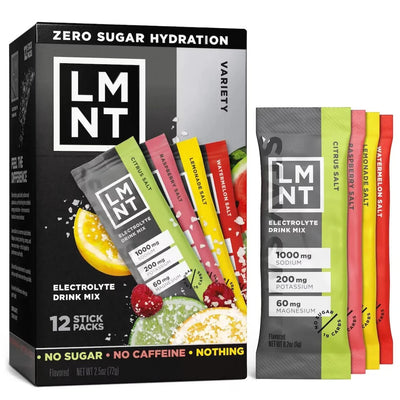
LMNT Variety Pack - 12 Sticks
LMNT
$28.95
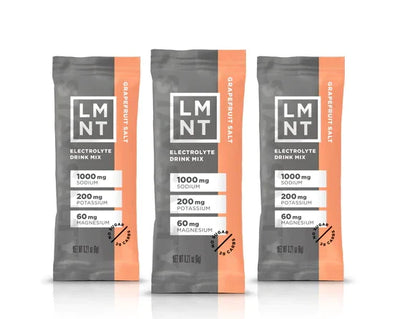
LMNT Grapefruit Salt Electrolyte Mix - 30 Sticks
LMNT
$64.95
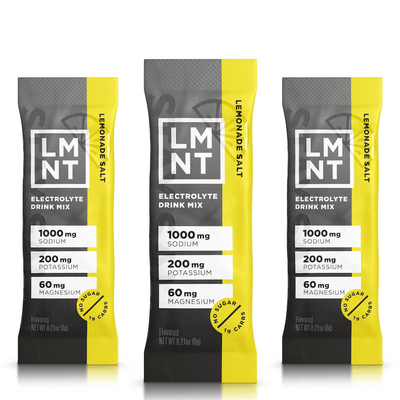
LMNT Lemonade Salt Electrolyte Mix - 30 Sticks
LMNT
$64.95
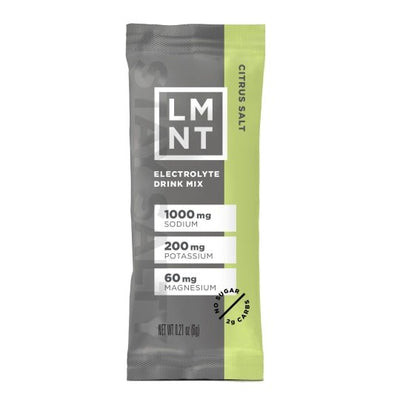
LMNT Single Stick
LMNT
$3.35
LMNT Taster Pack - 10 Sticks
LMNT
$32.95
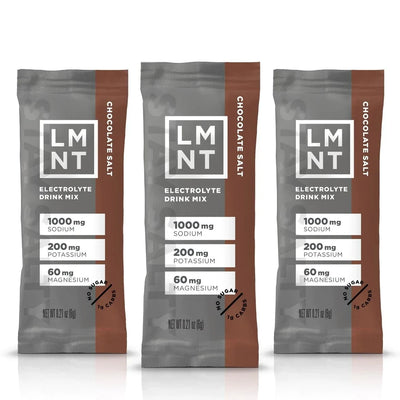
LMNT Chocolate Salt Electrolyte Mix - 30 Sticks
LMNT
$64.95
LMNT Big Variety Pack - 30 Sticks
LMNT
$69.95
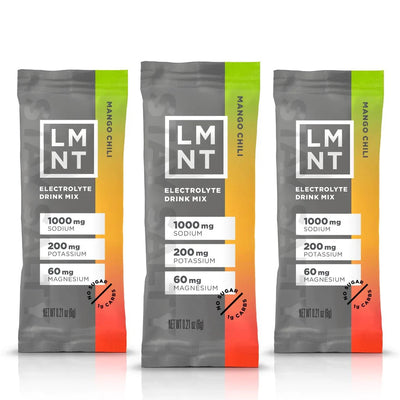
LMNT Mango Chilli Electrolyte Mix - 30 Sticks
LMNT
$64.95
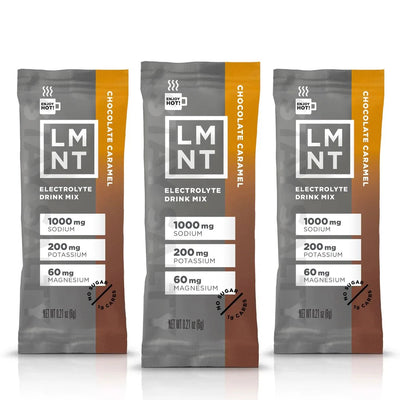
LMNT Chocolate Caramel Electrolyte Mix - 30 Sticks
LMNT
$64.95
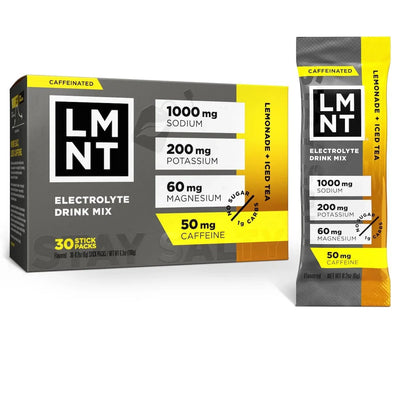
Lemonade + Iced Tea - 30 Sticks
LMNT
$64.95
Shop by formatTubs for the sheds, sticks for the kit bag. Pick what suits your squad and your match day.
Tubs
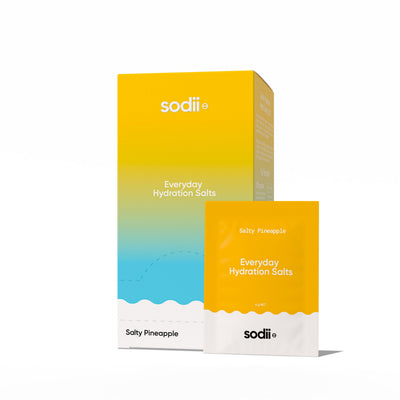
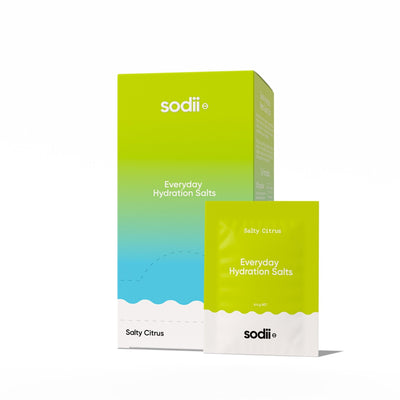
One tub on the bench in the sheds, scooped into the squad's bottles before training. Re-Lyte's tub is the best value per serve in our range at $1.00–1.25 AUD, and Sodii comes in a 30-serve tub.
Best for clubs and squads supplying a whole season of training nightsSticks
A box of 30 split across the kit bag, the car and the away-trip bag. One stick into your bottle before the warm-up, no scoop and no mess in the dressing room.
Best for game day and away tripsVariety packs
Squads rarely agree on a flavour. Sodii, Re-Lyte and LMNT all do mixed packs of sticks or sachets, so players can find the one they will actually drink before the club commits to tubs.
Best for finding the flavour the squad will drinkCapsules
Re-Lyte also comes in capsules, for players who would rather swallow than sip, or who want to top up sodium on a long training day without another flavoured drink.
Best for players who don't like flavoured drinksSingle serves
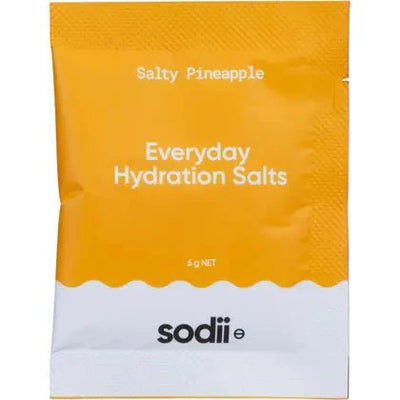
Single sticks and sachets let you try a brand before buying a box, and they are an easy add-on to a team order.
Best for trialling a flavour before match dayDon't forget the other half of fuelling
Electrolytes replace what you sweat out. Carbs replace what you burn.
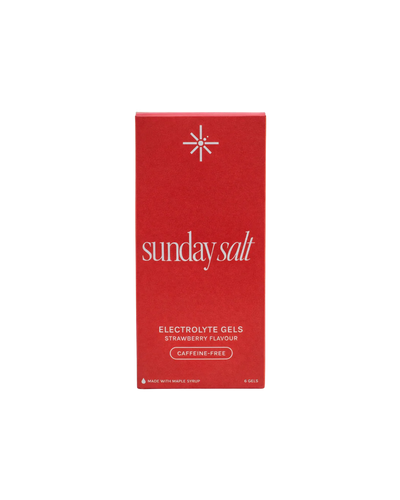
Past about 90 minutes of hard training, sodium alone will not stop you fading. Gels and chews top up the carbohydrate your legs and lungs are burning, so you can dose salt and fuel separately instead of relying on a single mix to do both jobs.
Shop energy gels & chews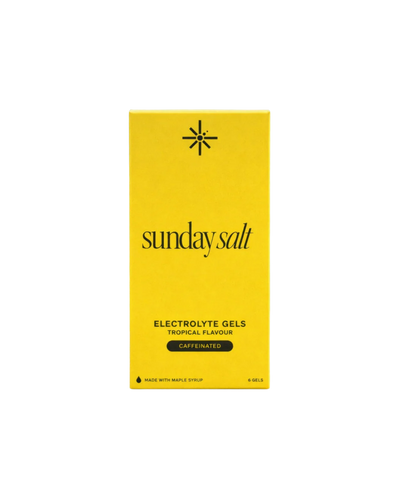
Not sure yet?
Three quick questions,
one recommendation
Answer three questions about how you train and play and we'll point you at a brand to start with. Prefer the full version? Take the complete quiz.
How salty do you sweat?
How many times a week do you train or play?
How do you like to take it?
Based on your answers, start with
Sodii
a full 1000 mg sodium serve made with Australian salt, built for big sweaters and hot pre-season blocks
Shop rugby league electrolytesFree shipping over $149
Shop now
Rugby league and electrolytes, answeredAnswers to what rugby league players and clubs ask us most. These same answers power the FAQ schema on this page.
The general guidance for exercise lasting over an hour is 300–600 mg of sodium per hour. Rugby players' sweat carries roughly 1,000–1,100 mg of sodium per litre, so bigger players and hot pre-season sessions tend to sit at or above the top of that range — use the calculator above for a session-specific estimate, and a sports dietitian for individual advice.
Often, yes. Bigger bodies produce more heat for every carry and tackle and tend to sweat more volume, so a forward can lose more sodium than a smaller teammate in the same session. Weighing yourself before and after training is the simplest way to see your own sweat loss.
Most clubs keep a tub or two in the sheds for training nights and give players single-serve sticks or sachets for the kit bag on game day. Variety packs are a cheap way to find a flavour the squad will actually drink before committing to tubs, and Re-Lyte's tub is the best value per serve in our range at $1.00–1.25 AUD.
Both are zero sugar and both replace real sodium. Sodii carries 1000 mg sodium, 210 mg potassium and 70 mg magnesium per serve, made in Australia with Australian salt. Redmond Re-Lyte carries 810 mg sodium (flavoured) to 1000 mg (Unflavoured) per 5g serve, with 400 mg potassium, made with real salt from an ancient seabed, and also comes in capsules. Many players use one in a tub at home and sticks of either in the kit bag.
Yes. A study of Super League players across a northern-hemisphere season measured an average of 2.0 litres of fluid lost per match. Cool weather lowers sweat rate, but 80 minutes of collisions and repeat sprints still costs real sodium.
We dispatch from Wollongong within 12 to 48 hours, metro shipping is free over $149, and unopened, unused items in original packaging can be returned within 30 days.

Not sure which brand suits you?
Take our quiz and we will match you to a brand and format based on how you ride, or start with a taster pack and try a few before committing to a full size.